
Authored By: Joelle Dangerfield, MSN-Ed, APRN, AGNP-BC, Associate Director of Clinical Services | Third Eye Health
It’s Saturday night. A urine culture comes back positive. The nurse says the patient barely touched dinner and needed help getting back to bed, which is unusual for them.
It’s tempting to connect the two. Before I decide what the culture means, I want to understand the story behind it and what’s changed since.
During World Antimicrobial Resistance Awareness Week, we often talk about antibiotic stewardship in terms of policies and prescribing data. In post-acute care, it also happens in conversations like this one, when a result comes back after hours, and someone must decide what to do with it.
Why is a positive culture harder to interpret after hours?
On nights and weekends, the covering clinician may be meeting the patient for the first time. The primary team may have ordered the culture two days earlier, and the nurse may have just come on shift. I want to know what prompted the test, whether the patient had urinary symptoms when the sample was collected, and what the bedside team is seeing now.
Eating less and needing more help are worth paying attention to. Did the patient skip one meal, or have they been drinking less all day? Did they need help getting to bed because they felt weak, dizzy, or in pain? When we’re on video, we can see how the patient is doing in the moment. The staff who worked with them earlier can tell us when the change started and what it looked like.
What is asymptomatic bacteriuria?
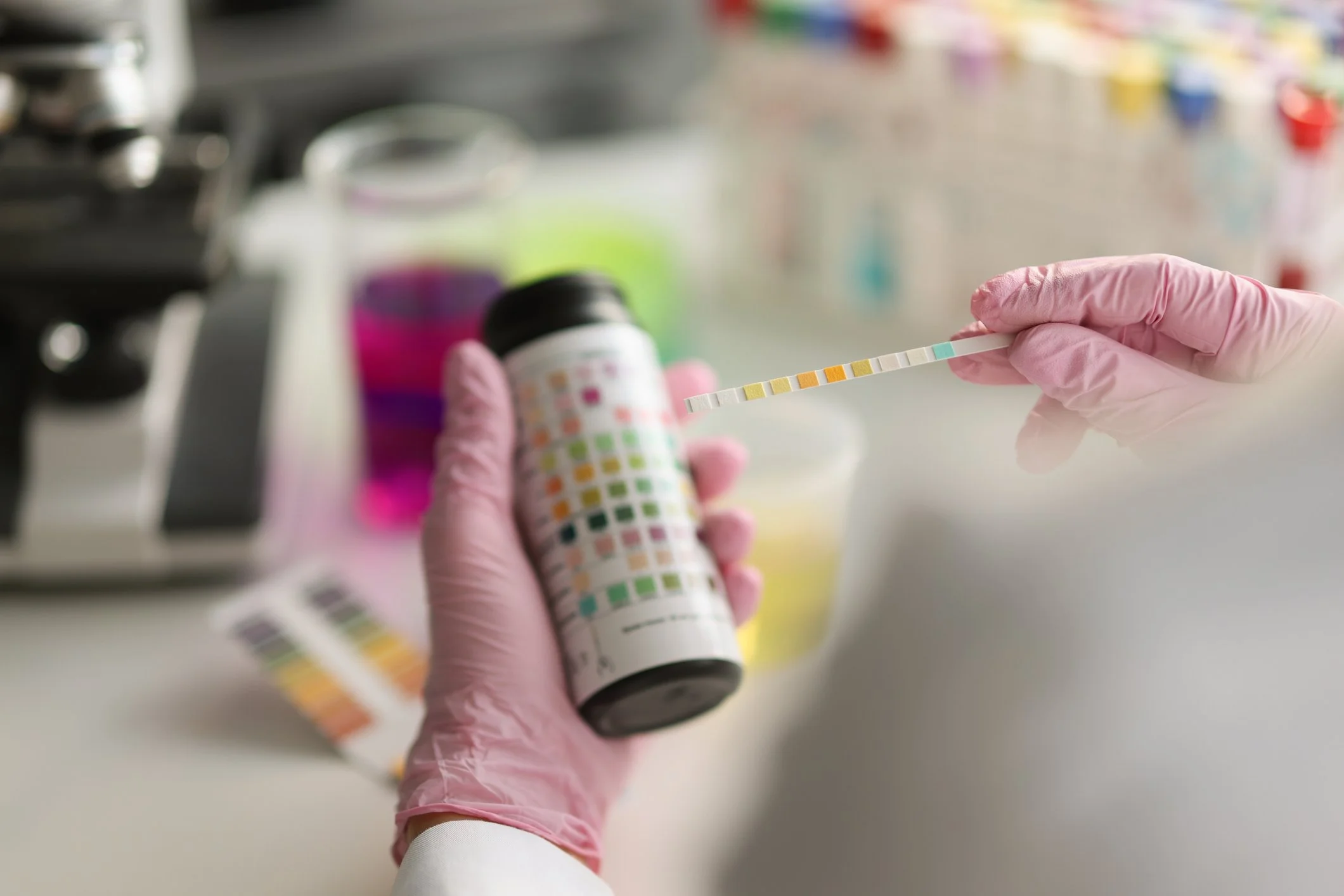
A positive culture tells us bacteria grew in the sample. Bacteria can be present in the urine without causing a symptomatic infection, which is called asymptomatic bacteriuria. New pain with urination, fever, or new urinary frequency makes the culture more relevant. A missed meal or a change in function deserves assessment, but neither establishes a urinary tract infection. The Infectious Diseases Society of America recommends against treating asymptomatic bacteriuria in older patients living in long-term care.
What happens next if it isn’t a UTI?
That still leaves work to do on Saturday night. The nurse and I may review vital signs, recent medication changes, and how much the patient has been eating and drinking. If the patient is becoming harder to wake or showing signs of instability, the priority is urgent assessment and escalation according to the facility’s protocol. The culture is one piece of information; it shouldn’t keep us from considering other causes of deterioration.
If the patient can safely stay in the facility, the plan needs to be clear enough for the next nurse to use: what to watch for, when to call back, and who will reassess the patient or review pending results. “Follow up with the primary team” may be part of the plan, but the Sunday team still needs to know what to do if the patient gets worse before Monday.
That’s what antibiotic stewardship looks like after hours. If antibiotics are indicated, we start treatment promptly, and if the findings don’t support them, the patient still needs an assessment, a monitoring plan, and a clear handoff.
When a positive culture comes back over the weekend, what helps your team connect the result to what’s happening at the bedside?
See how Third Eye Health supports skilled nursing teams through after-hours changes in condition. Request a demo.